ALVIS Chiropractic – Portland (NE Broadway)
2916 NE Broadway, Suite B, Portland, OR 97232
Chiropractic Adjustments, StemWave for auto accident & whiplash with Dr. Jerome Craig, D.C., LMT.
Whiplash is a neck injury caused by sudden back-and-forth movement, most often in a car crash. Symptoms can appear hours or days later. ALVIS Chiropractic provides post-accident chiropractic care at both our Portland and Hood River clinics and can help you understand your Oregon PIP auto insurance coverage.
Medically reviewed by Dr. Andrew Alvis, D.C. · Last reviewed
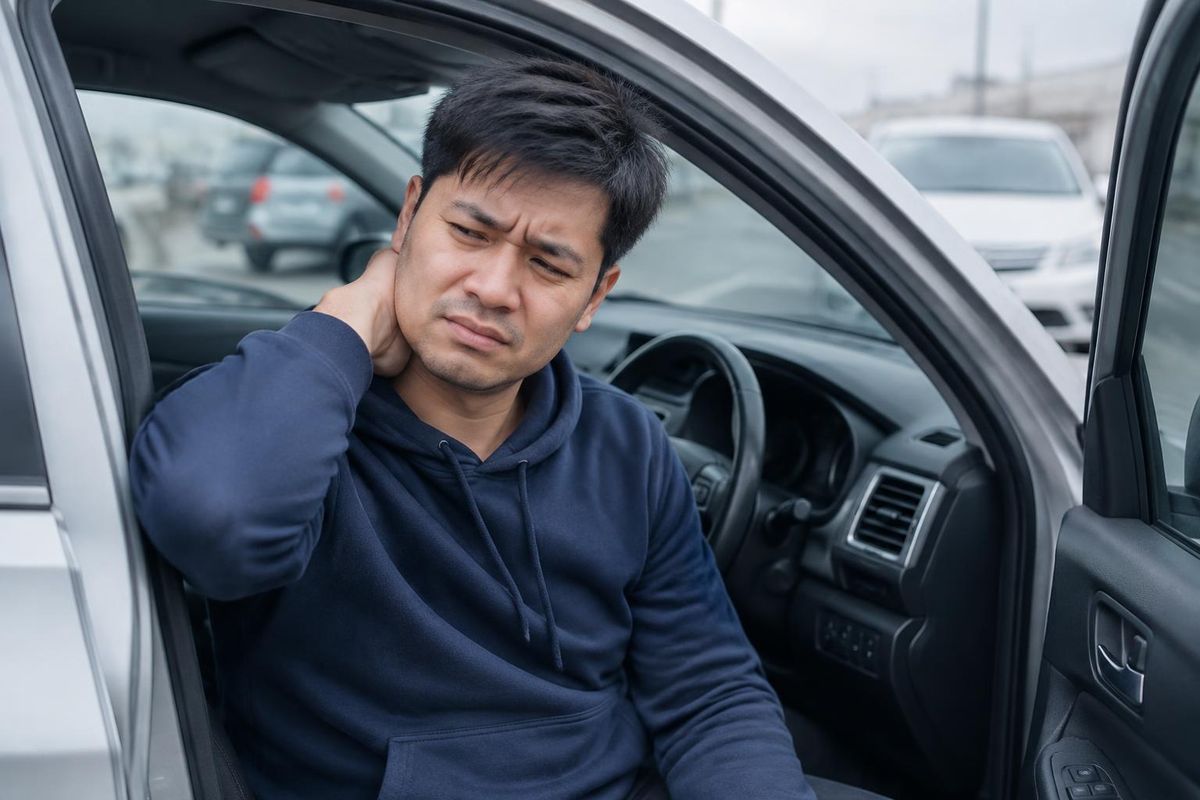
In a collision, your head can whip forward and back faster than your neck muscles can protect it. This can strain or sprain muscles, ligaments and joints in the neck and upper back. Even low-speed crashes can cause injury, and vehicle damage doesn't reliably predict how hurt you are.
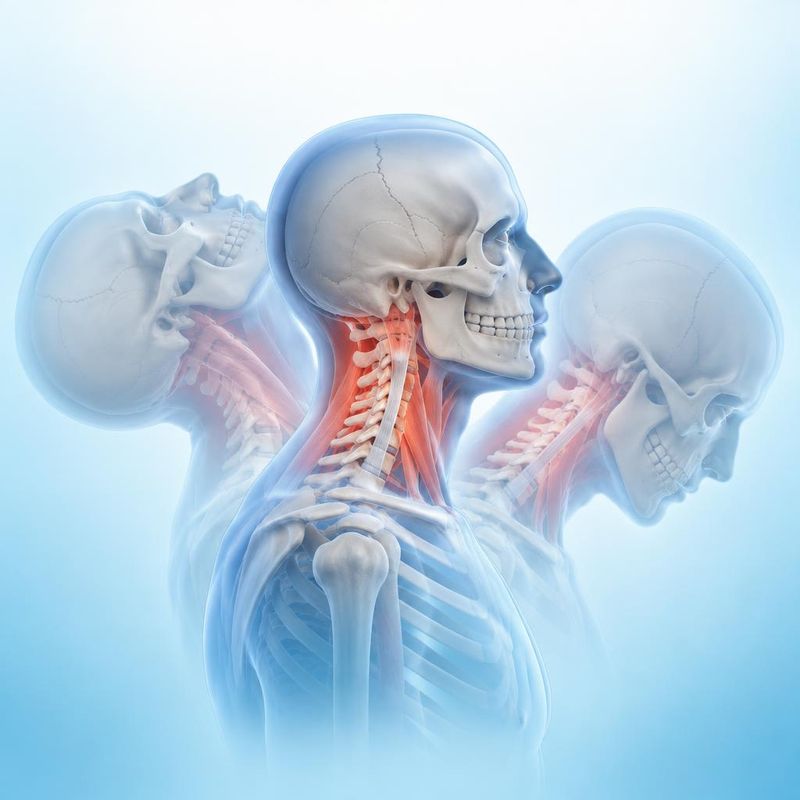
Rear-end collisions are the classic cause, but side impacts, head-on crashes, sports collisions and falls can also cause whiplash. Head position at impact, seat and headrest setup, and prior neck problems influence how injured you may be.
Adrenaline and shock can mask pain right after a collision, and inflammation from soft-tissue injury builds over the following 24–72 hours. That's why many people feel fine at the scene and wake up sore and stiff the next day. Getting evaluated promptly helps document the injury.
Oregon requires Personal Injury Protection (PIP) coverage on auto insurance policies. PIP benefits may cover chiropractic care after a crash, regardless of who was at fault — we can help you understand your coverage and handle billing with your auto insurer. Bring your claim number and insurer details to your first visit.
Most auto accident & whiplash is not an emergency, but some symptoms need immediate medical care. Call 911 or go to the nearest emergency room — rather than booking a chiropractic visit — if you have any of the following:
After you've been medically cleared, your doctor performs a detailed exam and documents your injuries. Care may include gentle chiropractic adjustments, mobility work and progressive exercises to restore neck motion and strength. StemWave may help with soft-tissue injury. Care is adjusted as you heal.
Services used for auto accident & whiplash:
Care for auto accident & whiplash at ALVIS Chiropractic follows three simple steps, starting with a free consultation. Nothing is decided until the doctor has heard your story and examined you, and there's no obligation to begin care.
These general tips are safe for most people. Stop anything that clearly worsens your symptoms and ask your doctor what's right for you.
2916 NE Broadway, Suite B, Portland, OR 97232
Chiropractic Adjustments, StemWave for auto accident & whiplash with Dr. Jerome Craig, D.C., LMT.
114 Cascade Ave, Hood River, OR 97031
Chiropractic Adjustments, StemWave for auto accident & whiplash with Dr. Andrew Alvis, D.C..
Results vary. This page is for education and is not a substitute for a medical evaluation. Healthcare disclaimer.
First get a medical evaluation to rule out fractures, head injury or internal injury. After that, a chiropractor can examine and document soft-tissue injuries and provide care to help restore motion and comfort. Starting care promptly also helps document your injuries for your claim.
Whiplash symptoms often appear within 24 to 72 hours, though some people notice them later. Neck stiffness, headaches and shoulder pain are common delayed symptoms. If you've been in a crash, get evaluated even if you feel fine at first.
Oregon requires PIP coverage, and PIP benefits may cover chiropractic care after an auto accident. Coverage limits and terms depend on your policy. Our team can help you understand your coverage and bill your auto insurer directly.
Many people improve over several weeks, while others take months, especially with more severe injuries or prior neck problems. Staying gently active and following a structured care plan may help. Your doctor will track progress and adjust care. Results vary.
Keep the police report number, your auto insurance claim number, the other driver's information, photos, and records of all medical visits. Write down your symptoms and when they started. Bring these to your first chiropractic visit so we can document your injuries accurately.
Last updated . Educational information, not medical advice; individual results vary. Healthcare disclaimer.