ALVIS Chiropractic – Portland (NE Broadway)
2916 NE Broadway, Suite B, Portland, OR 97232
Spinal decompression (DRX9000) and chiropractic care for bulging disc with Dr. Jerome Craig, D.C., LMT.
A bulging disc is a spinal disc that spreads beyond its normal edge while its outer ring stays intact. Many cause no symptoms; others irritate nearby nerves. ALVIS Chiropractic offers non-surgical care with DRX9000 spinal decompression and chiropractic in Portland, and chiropractic care in Hood River.
Medically reviewed by Dr. Jerome Craig, D.C., LMT · Last reviewed

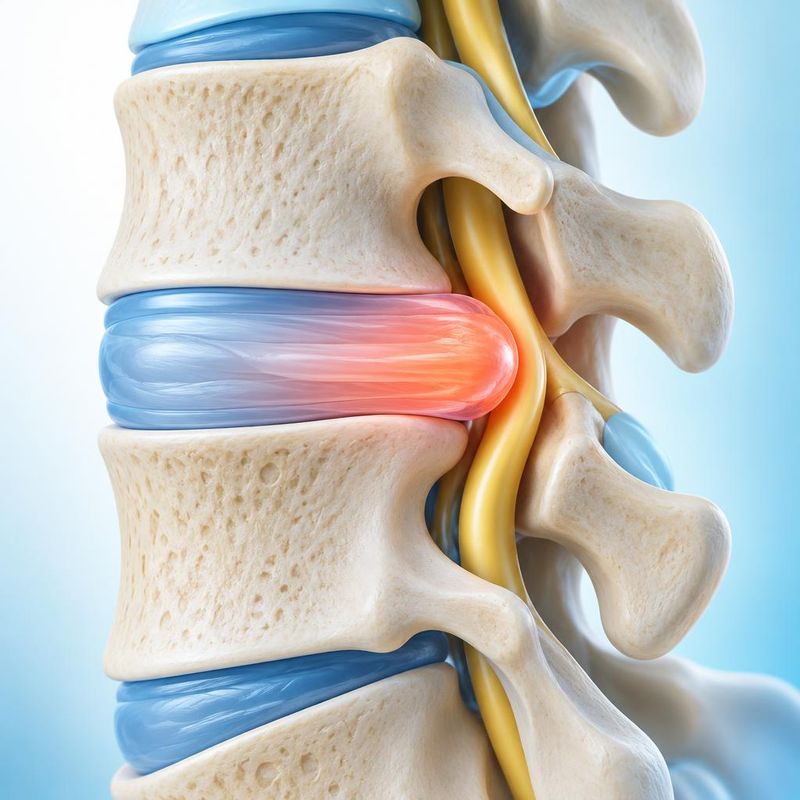
A bulging disc extends outward around much of its circumference, past the edges of the vertebrae above and below it. Unlike a herniation, the tough outer ring hasn't torn through; the disc has simply flattened and spread, often as part of normal aging.
Bulges are common findings on MRI in adults who have no back or neck pain at all. They matter when they narrow the space for a nerve or contribute to inflammation that causes symptoms. That's why your exam — not just the scan — guides care.
Most bulges develop gradually as discs lose hydration and height with age. Repetitive bending and lifting, long hours of sitting, poor workstation setup, smoking and carrying extra body weight can add stress to the discs over time.
In a bulge, the disc's outer ring stays intact and the disc spreads broadly. In a herniation, the ring tears and inner material pushes out in a focused spot, which is more likely to irritate a single nerve root. Both are managed conservatively first. Read more on our herniated disc page.
Disc bulges don't usually "go back in" completely, but symptoms often settle as inflammation calms and the muscles and joints around the disc move and support it better. Many people return to normal activity with a bulge still visible on imaging. Results vary.
Most bulging disc is not an emergency, but some symptoms need immediate medical care. Call 911 or go to the nearest emergency room — rather than booking a chiropractic visit — if you have any of the following:
Care for a symptomatic bulging disc focuses on reducing irritation and restoring comfortable movement. Your doctor may use gentle chiropractic adjustments to improve motion in stiff segments above and below the disc, plus posture and exercise guidance to reduce daily load on it.
In Portland, Dr. Craig may add DRX9000 spinal decompression. In Hood River, Dr. Alvis provides chiropractic care and can refer you to Portland if decompression may help. StemWave can be used for tight surrounding muscles.
Services used for bulging disc:
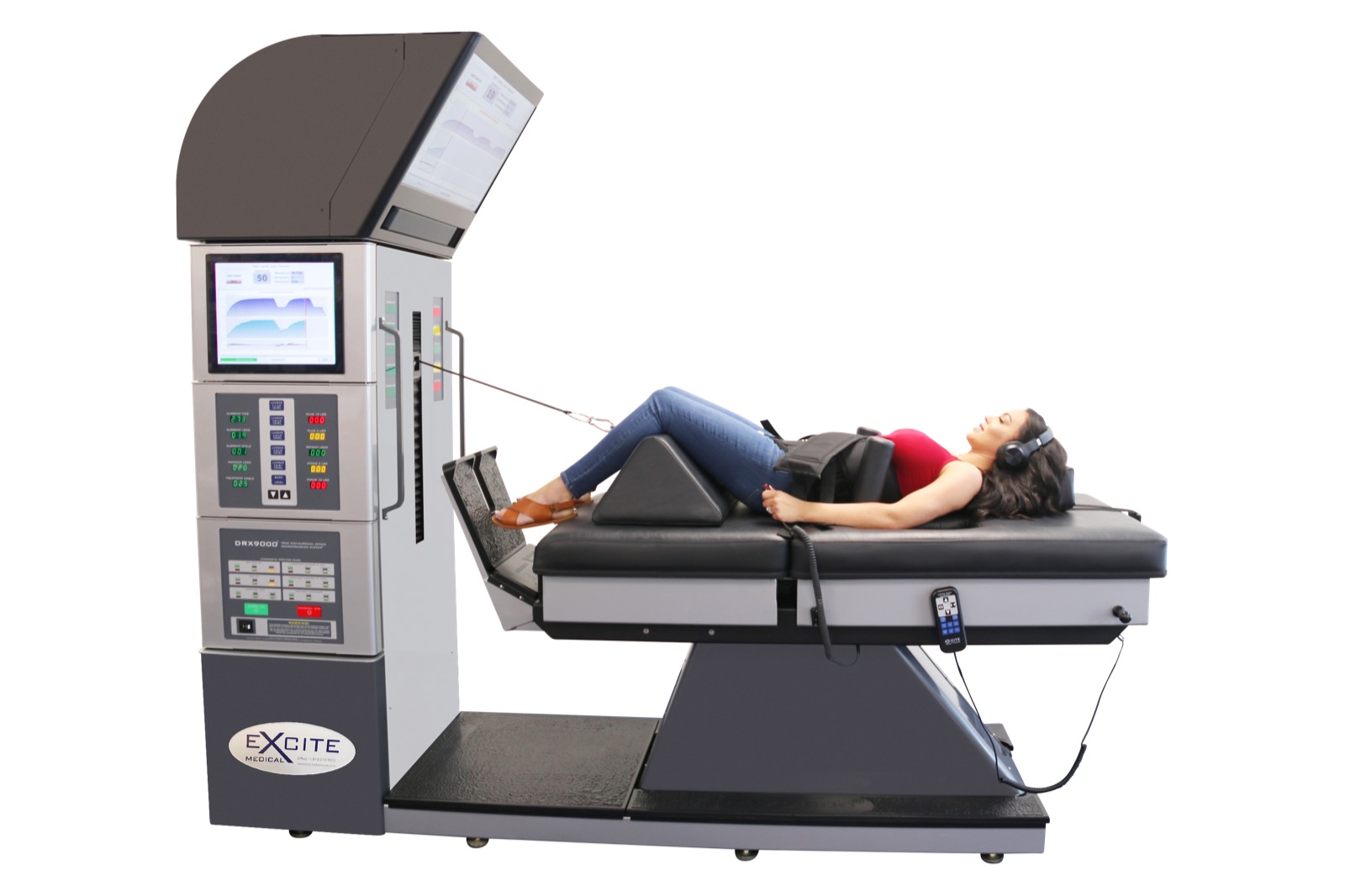
Decompression may be a fit when a bulging disc is linked to persistent back, neck or radiating pain that hasn't improved enough with other conservative care. It is designed to gently unload the disc in cycles and may help reduce pressure on nearby nerves.
Decompression is generally not appropriate during pregnancy, after spinal fusion or with surgical hardware in the treatment area, or with spinal fracture, tumor, severe osteoporosis, advanced infection or an abdominal aortic aneurysm. Candidacy is always decided at an exam.
Portland only: DRX9000 spinal decompression is performed by Dr. Jerome Craig, D.C., LMT at 2916 NE Broadway, Suite B. Hood River patients can be evaluated by Dr. Alvis and referred when appropriate. Learn about spinal decompression →
Care for bulging disc at ALVIS Chiropractic follows three simple steps, starting with a free consultation. Nothing is decided until the doctor has heard your story and examined you, and there's no obligation to begin care.
These general tips are safe for most people. Stop anything that clearly worsens your symptoms and ask your doctor what's right for you.
2916 NE Broadway, Suite B, Portland, OR 97232
Spinal decompression (DRX9000) and chiropractic care for bulging disc with Dr. Jerome Craig, D.C., LMT.
114 Cascade Ave, Hood River, OR 97031
Chiropractic Adjustments for bulging disc with Dr. Andrew Alvis, D.C., plus referral to our Portland clinic for spinal decompression when appropriate.
Results vary. This page is for education and is not a substitute for a medical evaluation. Healthcare disclaimer.
Usually not. Bulging discs are common and often cause no symptoms. They become a concern when they press on a nerve, causing radiating pain, numbness or weakness, or in rare cases cause emergency signs such as loss of bladder control. A proper exam helps determine whether your bulge is related to your symptoms.
Symptoms from a bulging disc often improve over time with conservative care, movement and better daily habits, even if the bulge remains on imaging. The disc itself changes slowly. Chiropractic care, and decompression at our Portland clinic, are designed to support comfort and function during that process.
Many people find relief lying on their back with knees bent and supported, or on their side with a pillow between the knees. Long periods of slumped sitting often aggravate symptoms. The best position varies by person, so your doctor can help identify which positions ease your specific pain.
A chiropractor can't make a bulge disappear, but chiropractic care may help reduce pain and improve how your spine moves and handles load. In Portland, care can include DRX9000 spinal decompression with Dr. Craig. In Hood River, Dr. Alvis provides chiropractic care and refers to Portland when decompression may help.
Most people shouldn't stop moving. Gentle walking and guided exercise usually help more than rest. You may need to temporarily avoid heavy lifting, deep forward bending or high-impact activity that flares symptoms. Your doctor can recommend which activities are safe for you right now.
Last updated . Educational information, not medical advice; individual results vary. Healthcare disclaimer.