ALVIS Chiropractic – Portland (NE Broadway)
2916 NE Broadway, Suite B, Portland, OR 97232
Spinal decompression (DRX9000) and chiropractic care for neck pain with Dr. Jerome Craig, D.C., LMT.
Neck pain is pain or stiffness in the cervical spine, often linked to posture, screen use, injury or disc problems. ALVIS Chiropractic treats neck pain with gentle chiropractic care at our Portland and Hood River clinics, and offers cervical DRX9000 spinal decompression in Portland for disc-related neck and arm pain.
Medically reviewed by Dr. Jerome Craig, D.C., LMT · Last reviewed

Your neck balances a roughly 10–12 pound head on seven small vertebrae while allowing a huge range of motion. That combination makes it vulnerable to strain. Neck pain can come from muscles, joints, discs or nerves, and it often spreads into the shoulders, upper back or head.
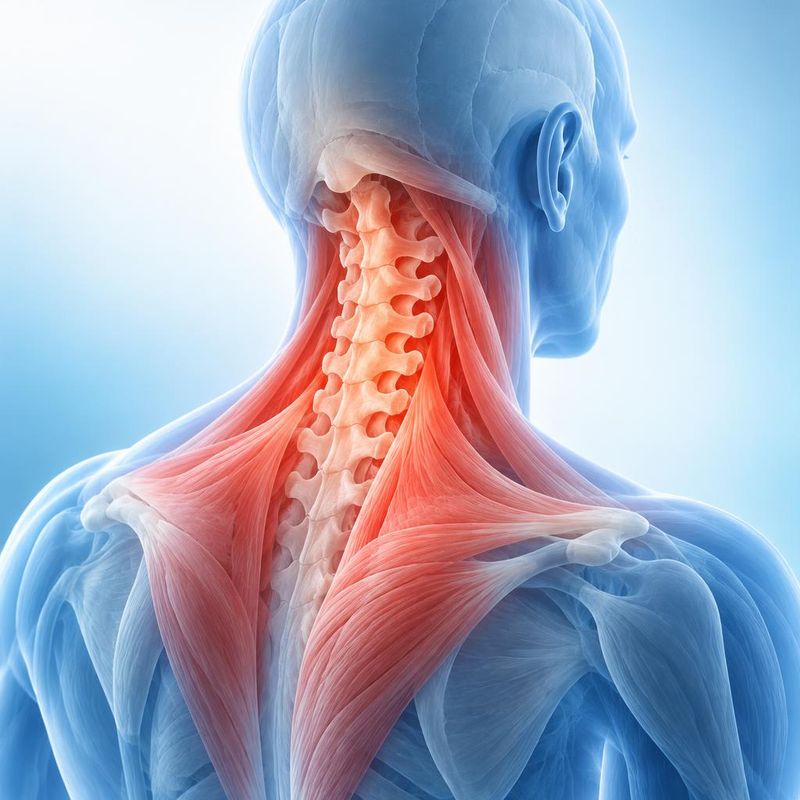
Common causes include sustained forward-head posture at a computer or phone ("tech neck"), sleeping in an awkward position, muscle strain, facet joint irritation, disc bulges or herniations, degenerative changes and whiplash from car accidents or sports.
When your head drifts forward to look at a screen, the load on your neck muscles and joints increases. Over hours and years, that can contribute to stiffness and pain. Small changes — screen height, chair support, regular breaks and strengthening exercises — often make a noticeable difference.
Whiplash from a car accident or sports collision can strain neck muscles, ligaments and joints, and symptoms sometimes appear a day or more later. Always get a medical evaluation first after a crash. Learn more on our auto accident and whiplash page.
Most neck pain is not an emergency, but some symptoms need immediate medical care. Call 911 or go to the nearest emergency room — rather than booking a chiropractic visit — if you have any of the following:
Chiropractic care for neck pain combines gentle adjustments — manual or instrument-assisted, depending on your comfort — with posture coaching, workstation advice and simple exercises to strengthen deep neck muscles. StemWave may help with tight, tender upper-shoulder muscles.
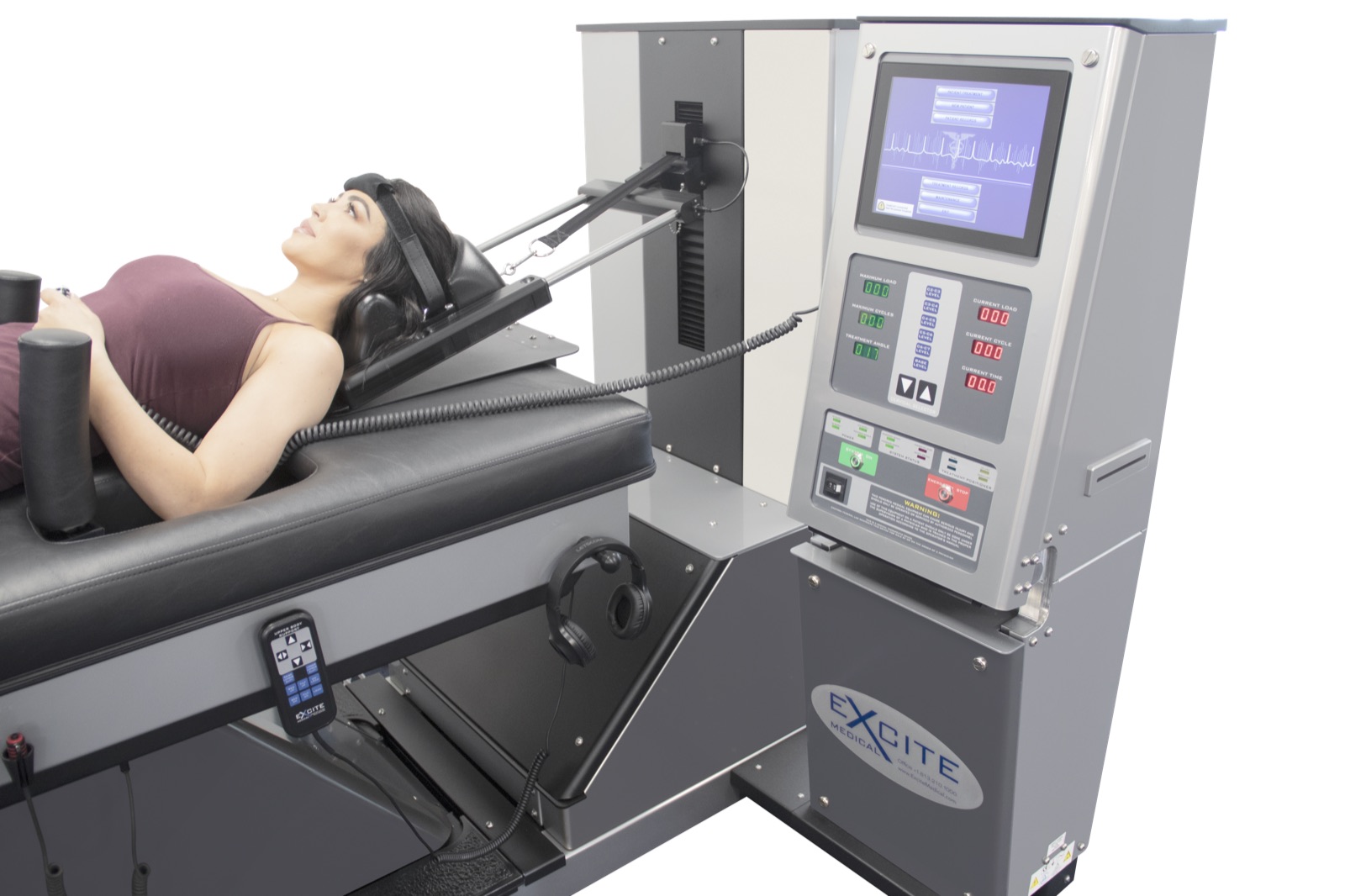
If a cervical disc is irritating a nerve, Dr. Craig may recommend cervical DRX9000 spinal decompression at our Portland clinic. In Hood River, Dr. Alvis provides chiropractic care and can refer you to Portland when decompression may help.
Services used for neck pain:
Cervical decompression may be a fit for neck pain caused by a bulging or herniated disc, especially with arm pain or tingling. It is not appropriate for neck pain after acute trauma until fractures and instability are ruled out, or with cervical fusion hardware.
Decompression is generally not appropriate during pregnancy, after spinal fusion or with surgical hardware in the treatment area, or with spinal fracture, tumor, severe osteoporosis, advanced infection or an abdominal aortic aneurysm. Candidacy is always decided at an exam.
Portland only: DRX9000 spinal decompression is performed by Dr. Jerome Craig, D.C., LMT at 2916 NE Broadway, Suite B. Hood River patients can be evaluated by Dr. Alvis and referred when appropriate. Learn about spinal decompression →
Care for neck pain at ALVIS Chiropractic follows three simple steps, starting with a free consultation. Nothing is decided until the doctor has heard your story and examined you, and there's no obligation to begin care.
These general tips are safe for most people. Stop anything that clearly worsens your symptoms and ask your doctor what's right for you.
2916 NE Broadway, Suite B, Portland, OR 97232
Spinal decompression (DRX9000) and chiropractic care for neck pain with Dr. Jerome Craig, D.C., LMT.
114 Cascade Ave, Hood River, OR 97031
Chiropractic Adjustments, StemWave for neck pain with Dr. Andrew Alvis, D.C., plus referral to our Portland clinic for spinal decompression when appropriate.
Gentle, precise spinal and joint adjustments that may help reduce pain and improve mobility.
Non-surgical DRX9000 spinal decompression designed to relieve pressure on discs and nerves. Portland clinic only.
Non-invasive Cellular Response Technology used alongside chiropractic care for pain and recovery.
“I have seen several chiropractors over many years and Dr. Alvis is the best. I'm a retired professional violinist who began playing at a very early age. This has caused pain and discomfort to my neck and upper body. Dr. Alvis treatment is just what I needed. He is patient, understanding, gentle and firm with his adjustments. Now my neck and upper body are relieved of pain and discomfort. This is wonderful after dealing so many years with this problem. I'm very grateful to have found him.”
Results vary. This page is for education and is not a substitute for a medical evaluation. Healthcare disclaimer.
Yes, chiropractic care is a common conservative approach for neck pain. Your doctor uses gentle adjustments, posture guidance and exercises tailored to your exam. At our Portland clinic, disc-related neck and arm pain may also be treated with cervical DRX9000 spinal decompression with Dr. Craig.
For most people, neck adjustments by a licensed chiropractor after a proper history and exam are considered safe. Your doctor screens for warning signs and can use gentle, low-force or instrument-assisted techniques instead of manual rotation if you prefer. Mild soreness afterward is the most common side effect.
Gentle movement, heat, and avoiding prolonged awkward positions usually help a stiff neck ease within days. Try slow range-of-motion movements and short breaks from screens. If stiffness persists beyond a week, follows an injury, or comes with fever or arm symptoms, get evaluated.
Tech neck is a nickname for neck and upper back pain linked to looking down at phones, tablets and laptops for long periods. The forward-head position increases strain on neck muscles and joints. Better screen height, regular breaks and strengthening exercises may help.
Neck pain needs urgent care if it follows significant trauma, comes with fever and a stiff neck, or is accompanied by worsening arm weakness, balance problems, a sudden severe headache, vision changes or trouble speaking. Most everyday neck pain, however, is mechanical and not dangerous.
Last updated . Educational information, not medical advice; individual results vary. Healthcare disclaimer.