ALVIS Chiropractic – Portland (NE Broadway)
2916 NE Broadway, Suite B, Portland, OR 97232
Spinal decompression (DRX9000) and chiropractic care for degenerative disc disease with Dr. Jerome Craig, D.C., LMT.
Degenerative disc disease describes age-related changes in spinal discs — drying, thinning and loss of height — that sometimes cause back or neck pain. It isn't truly a disease. ALVIS Chiropractic helps patients stay active with chiropractic care at both clinics and DRX9000 spinal decompression at our Portland clinic.
Medically reviewed by Dr. Jerome Craig, D.C., LMT · Last reviewed

Despite its name, degenerative disc disease isn't a disease in the usual sense. It's a term for the gradual changes discs go through with age: they lose water, become thinner and less springy, and may develop small tears or bone spurs nearby. These changes are found in many adults with no pain.
For some people, these changes contribute to stiffness, ongoing low back or neck pain, or nerve irritation. The goal of care is not to reverse aging, but to help the spine move and handle load more comfortably.
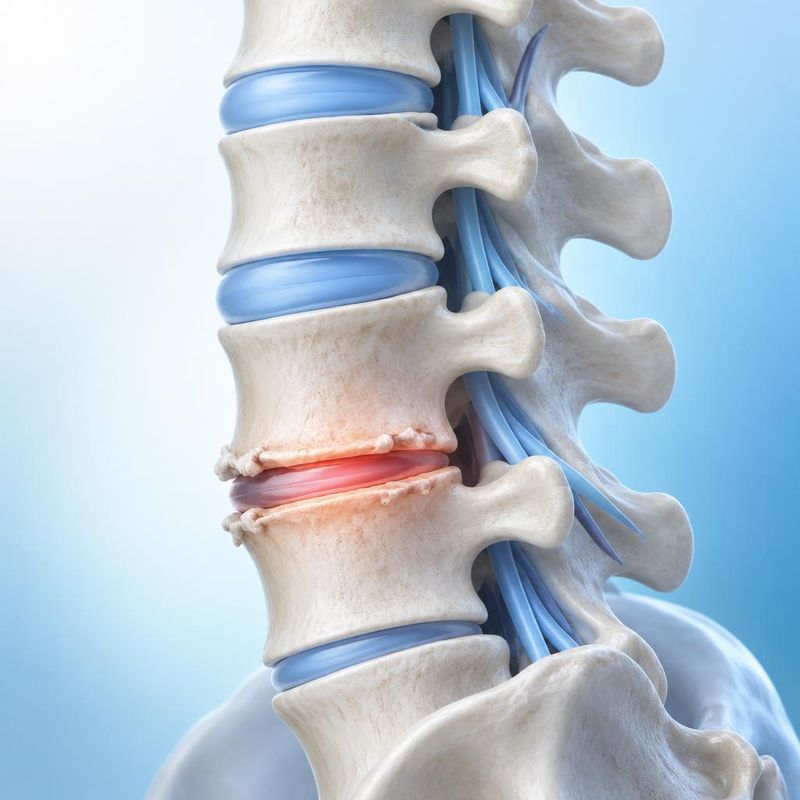
Age is the main factor; discs naturally lose hydration over decades. Genetics play a strong role. Past injuries, repetitive heavy work, smoking and carrying extra weight may speed the process or make symptoms more likely.
Not really. It's a label for age-related disc changes that almost everyone develops to some degree. Seeing it on an MRI report doesn't mean your spine is "crumbling" or that pain is inevitable. Many people with significant changes on imaging feel well and stay active.
Most degenerative disc disease is not an emergency, but some symptoms need immediate medical care. Call 911 or go to the nearest emergency room — rather than booking a chiropractic visit — if you have any of the following:
Chiropractic care for degenerative discs aims to improve motion in stiff segments, reduce strain on irritated areas and keep you active. Your doctor may use gentle adjustments, mobility work and a home exercise plan focused on core and hip strength.
At our Portland clinic, Dr. Craig may add DRX9000 spinal decompression, designed to unload the discs and support nutrient exchange. Hood River patients receive chiropractic care with Dr. Alvis and can be referred to Portland when decompression may help.
Services used for degenerative disc disease:
Decompression may be considered for degenerative disc changes that cause persistent back, neck or radiating pain. It may not be appropriate if degeneration is very advanced, if there is significant instability, or with severe osteoporosis — your exam will determine fit.
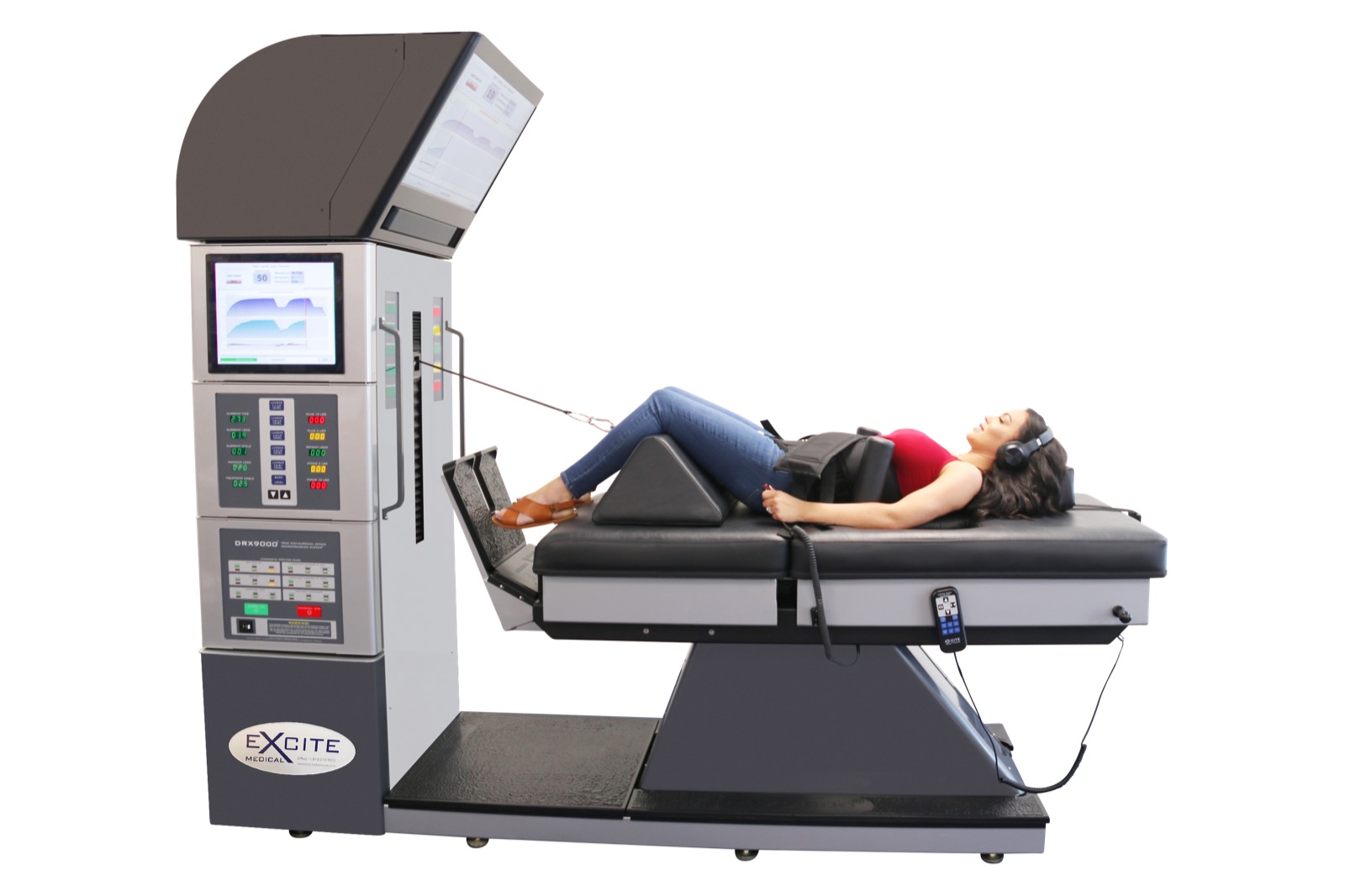
Decompression is generally not appropriate during pregnancy, after spinal fusion or with surgical hardware in the treatment area, or with spinal fracture, tumor, severe osteoporosis, advanced infection or an abdominal aortic aneurysm. Candidacy is always decided at an exam.
Portland only: DRX9000 spinal decompression is performed by Dr. Jerome Craig, D.C., LMT at 2916 NE Broadway, Suite B. Hood River patients can be evaluated by Dr. Alvis and referred when appropriate. Learn about spinal decompression →
Care for degenerative disc disease at ALVIS Chiropractic follows three simple steps, starting with a free consultation. Nothing is decided until the doctor has heard your story and examined you, and there's no obligation to begin care.
These general tips are safe for most people. Stop anything that clearly worsens your symptoms and ask your doctor what's right for you.
2916 NE Broadway, Suite B, Portland, OR 97232
Spinal decompression (DRX9000) and chiropractic care for degenerative disc disease with Dr. Jerome Craig, D.C., LMT.
114 Cascade Ave, Hood River, OR 97031
Chiropractic Adjustments for degenerative disc disease with Dr. Andrew Alvis, D.C., plus referral to our Portland clinic for spinal decompression when appropriate.
Results vary. This page is for education and is not a substitute for a medical evaluation. Healthcare disclaimer.
Disc changes generally continue slowly with age, but symptoms don't necessarily get worse. Many people find their pain becomes less frequent over time, especially if they stay active and strong. Flare-ups can happen, and care such as chiropractic and decompression in Portland may help manage them.
Avoid long periods of sitting without breaks, repeated heavy lifting with poor form and prolonged inactivity. You don't usually need to avoid exercise — staying active is helpful. Your doctor can advise which activities to modify during a flare-up and which to keep doing.
Chiropractic care may help many people with degenerative disc changes move more comfortably and reduce pain. Care usually combines gentle adjustments, mobility and strengthening exercises. At our Portland clinic, Dr. Craig may also recommend DRX9000 spinal decompression after an exam.
Yes. Regular, appropriate exercise — walking, swimming, core and hip strengthening — is one of the most helpful things for degenerative discs. Movement supports disc nutrition and builds muscular support. Start gradually, and ask your doctor about exercises suited to your symptoms.
Spinal decompression may help some people with painful degenerative disc changes by reducing pressure on the discs and nerves. It isn't right for everyone — very advanced degeneration, instability or severe osteoporosis may rule it out. It's offered at our Portland clinic with Dr. Craig after a consultation and exam.
Last updated . Educational information, not medical advice; individual results vary. Healthcare disclaimer.