ALVIS Chiropractic – Portland (NE Broadway)
2916 NE Broadway, Suite B, Portland, OR 97232
Chiropractic Adjustments, StemWave for knee pain with Dr. Jerome Craig, D.C., LMT.
Knee pain often comes from overuse conditions like runner's knee (patellofemoral pain) and IT band irritation, as well as arthritis and how the hip and foot move. ALVIS Chiropractic treats knee pain with chiropractic adjustments and StemWave at both our Portland and Hood River clinics.
Medically reviewed by Dr. Andrew Alvis, D.C. · Last reviewed
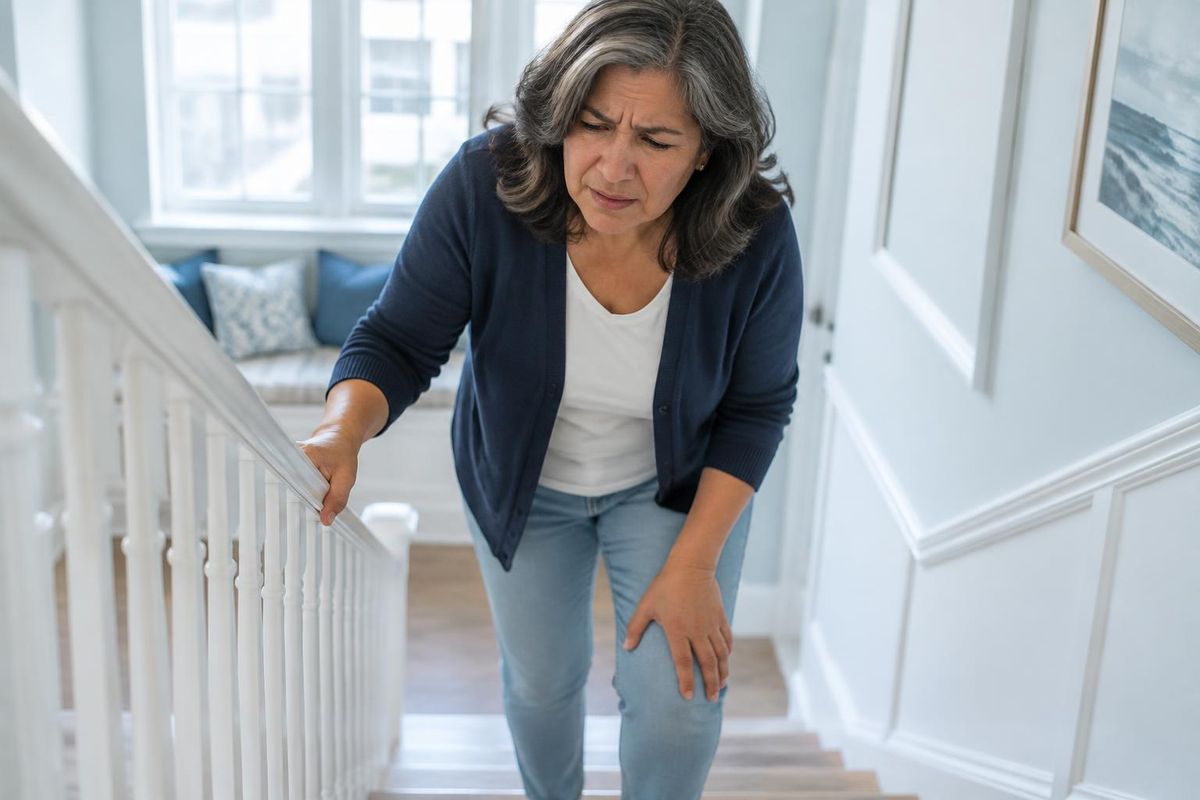
Patellofemoral pain is pain around or behind the kneecap, common in runners, cyclists and people who do a lot of stairs or squatting. IT band syndrome causes pain on the outside of the knee, often in runners and cyclists.
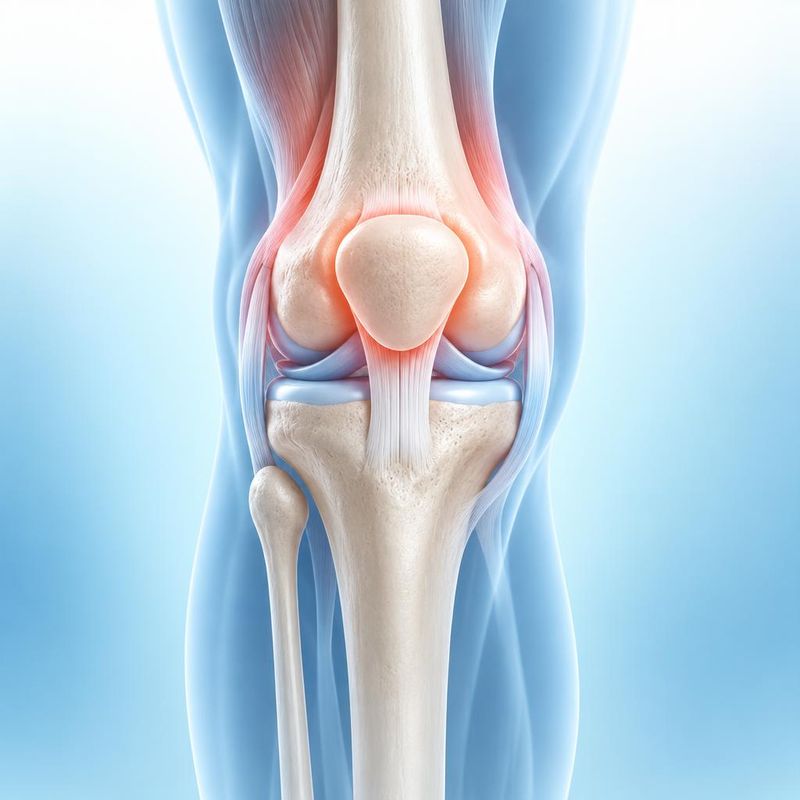
Overuse, rapid training increases, weak hip muscles, foot mechanics, previous injuries and arthritis are common contributors.
Most knee pain is not an emergency, but some symptoms need immediate medical care. Call 911 or go to the nearest emergency room — rather than booking a chiropractic visit — if you have any of the following:
Your doctor evaluates the knee along with the hip, ankle and foot. Care may include adjustments to the knee and related joints, StemWave for tendon and IT band pain, and strengthening and training guidance.
Services used for knee pain:
Care for knee pain at ALVIS Chiropractic follows three simple steps, starting with a free consultation. Nothing is decided until the doctor has heard your story and examined you, and there's no obligation to begin care.
These general tips are safe for most people. Stop anything that clearly worsens your symptoms and ask your doctor what's right for you.
2916 NE Broadway, Suite B, Portland, OR 97232
Chiropractic Adjustments, StemWave for knee pain with Dr. Jerome Craig, D.C., LMT.
114 Cascade Ave, Hood River, OR 97031
Chiropractic Adjustments, StemWave for knee pain with Dr. Andrew Alvis, D.C..
Results vary. This page is for education and is not a substitute for a medical evaluation. Healthcare disclaimer.
Chiropractic care may help knee pain by improving motion in the knee, hip and ankle and addressing movement patterns that overload the knee. Care often includes StemWave and exercises. Suspected ligament tears or fractures need medical evaluation.
Runner's knee, or patellofemoral pain syndrome, is pain around or behind the kneecap, often worse with running, stairs, squatting or sitting with bent knees. It's commonly related to training load and hip or foot mechanics.
StemWave is designed to stimulate soft tissues and may help tendon-related knee pain and IT band irritation. Your doctor will determine if it's appropriate after an exam.
Often you can keep running at reduced volume if pain stays mild and doesn't worsen the next day. Sharp pain, swelling or limping are signs to stop and get evaluated.
Get prompt evaluation if your knee locks, gives way, swells quickly after an injury, can't bear weight, or is hot and red with fever.
Last updated . Educational information, not medical advice; individual results vary. Healthcare disclaimer.