ALVIS Chiropractic – Portland (NE Broadway)
2916 NE Broadway, Suite B, Portland, OR 97232
Chiropractic Adjustments, Wellness Care for posture & scoliosis with Dr. Jerome Craig, D.C., LMT.
Postural strain is discomfort from sustained positions like slouching at a desk, and scoliosis is a sideways curve of the spine. Chiropractic care may help with comfort and mobility for both, though it doesn't straighten a structural curve. ALVIS Chiropractic offers this care at our Portland and Hood River clinics.
Medically reviewed by Dr. Andrew Alvis, D.C. · Last reviewed

Posture is the way you hold your body over time. Spending hours in one position — especially slouched or with your head forward — can strain muscles and joints. Scoliosis is different: it's a sideways curve of the spine, often with some rotation, that can be structural (built into the spine) or functional (related to muscle imbalance or leg length).
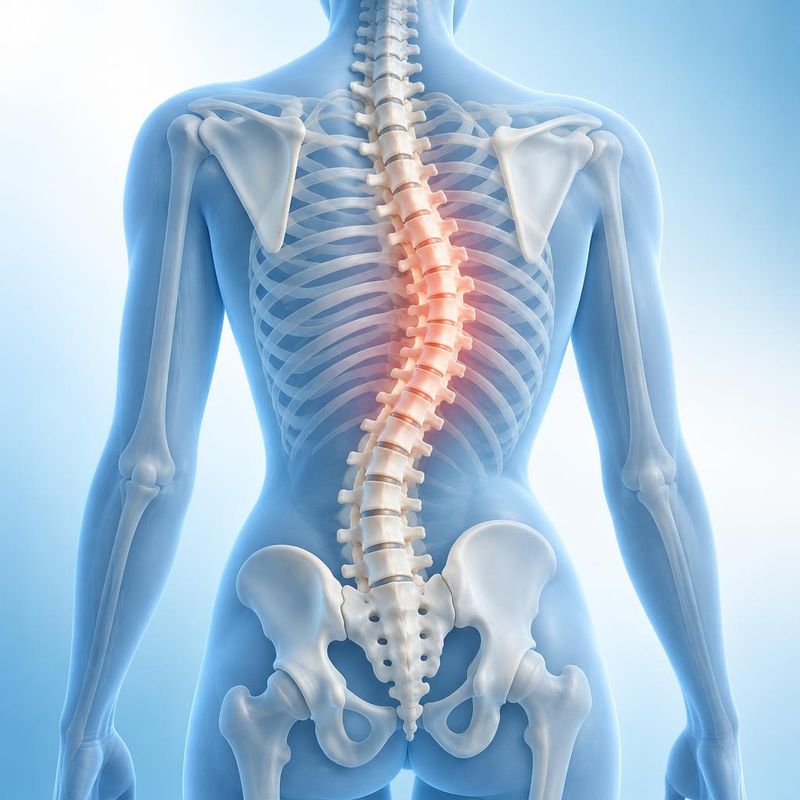
Postural strain is usually related to prolonged sitting, screen use and inactivity. Most scoliosis is idiopathic, meaning there's no known cause; it commonly appears in adolescence. Adult degenerative scoliosis can develop with age.
Most posture & scoliosis is not an emergency, but some symptoms need immediate medical care. Call 911 or go to the nearest emergency room — rather than booking a chiropractic visit — if you have any of the following:
For postural strain, care may include gentle adjustments, mobility work, posture coaching and ergonomic changes. For scoliosis, chiropractic care may help comfort and mobility around the curve. We coordinate with your orthopedist, who monitors curve progression and decides on bracing or other treatment.
Services used for posture & scoliosis:
Care for posture & scoliosis at ALVIS Chiropractic follows three simple steps, starting with a free consultation. Nothing is decided until the doctor has heard your story and examined you, and there's no obligation to begin care.
These general tips are safe for most people. Stop anything that clearly worsens your symptoms and ask your doctor what's right for you.
2916 NE Broadway, Suite B, Portland, OR 97232
Chiropractic Adjustments, Wellness Care for posture & scoliosis with Dr. Jerome Craig, D.C., LMT.
114 Cascade Ave, Hood River, OR 97031
Chiropractic Adjustments, Wellness Care for posture & scoliosis with Dr. Andrew Alvis, D.C..
Results vary. This page is for education and is not a substitute for a medical evaluation. Healthcare disclaimer.
A chiropractor can help by improving joint motion, easing muscle tension and coaching better habits and workstation setup. Lasting posture change depends largely on your daily habits and strength, so care usually includes exercises and practical advice you can use at work and home.
No. Chiropractic care does not straighten a structural scoliosis curve. It may help with comfort and mobility in the back. Curve monitoring and decisions about bracing or surgery should be made with an orthopedist, and we're happy to coordinate with them.
Tech neck is neck and upper back strain from looking down at phones, tablets and laptops. The forward-head position increases load on neck muscles and joints. Better screen height, breaks and strengthening exercises may help.
Many people with scoliosis, especially teens, have little or no pain. Adults with scoliosis are more likely to have back pain or stiffness. Chiropractic care may help comfort and mobility, while an orthopedist monitors the curve itself.
Sit with your back supported, feet flat, screen at eye level and keyboard close so your elbows stay near your sides. Stand and move every 30 minutes, and add upper back and core strengthening a few times a week.
Last updated . Educational information, not medical advice; individual results vary. Healthcare disclaimer.