ALVIS Chiropractic – Portland (NE Broadway)
2916 NE Broadway, Suite B, Portland, OR 97232
Spinal decompression (DRX9000) and chiropractic care for herniated disc with Dr. Jerome Craig, D.C., LMT.
A herniated disc happens when the soft center of a spinal disc pushes through its tougher outer ring and irritates nearby nerves. ALVIS Chiropractic offers non-surgical care: DRX9000 spinal decompression and chiropractic care with Dr. Jerome Craig in Portland, and chiropractic care with Dr. Andrew Alvis in Hood River.
Medically reviewed by Dr. Jerome Craig, D.C., LMT · Last reviewed

Each spinal disc has a tough, fibrous outer ring (the annulus) and a soft, gel-like center (the nucleus). A herniated disc is when part of that center pushes out through a tear or weak spot in the ring. The displaced material can press on, or chemically irritate, a nearby spinal nerve root.
Herniations are most common in the lower back (lumbar spine), especially at the L4–L5 and L5–S1 levels, and in the neck (cervical spine). Many people have disc herniations on an MRI without any pain at all, so imaging findings always need to be matched to your symptoms and exam.
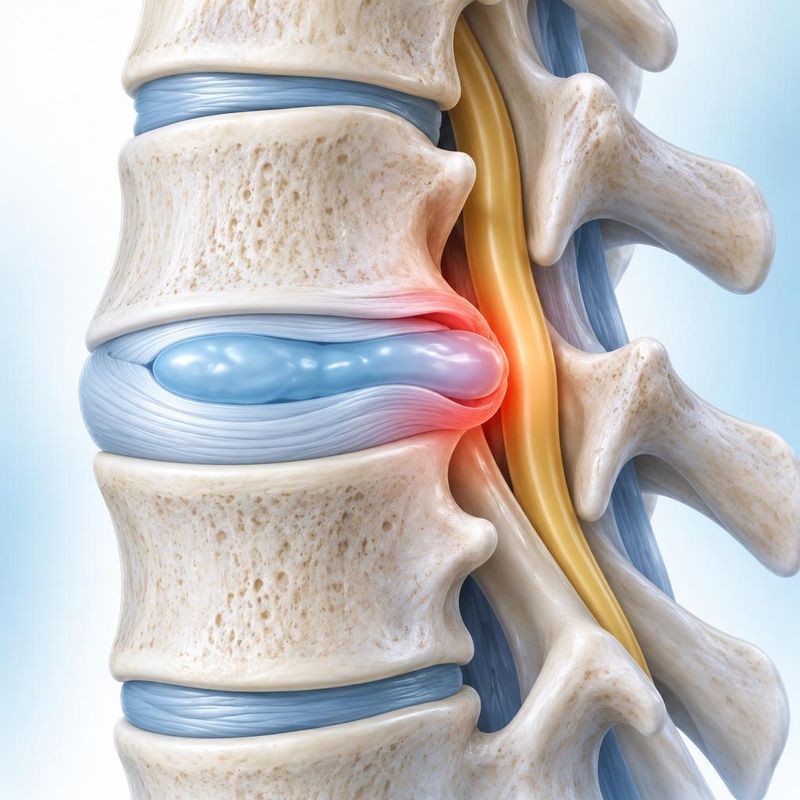
Most herniations come from gradual, age-related wear combined with a load that the disc can't handle that day — lifting while bent and twisted, a long drive, or even a sneeze. Discs lose water content with age, which makes the outer ring less resilient.
Risk rises with repetitive lifting, prolonged sitting, smoking (which reduces disc nutrition), excess body weight and family history. A single injury can cause a herniation, but often it is the "last straw" on a disc that was already weakened.
A bulging disc spreads outward evenly around its edge, like a hamburger that's too big for the bun, while the outer ring stays intact. A herniated disc has a tear in the outer ring that lets the inner material push out in one spot. "Slipped disc" is a common but inaccurate name for a herniation — discs don't actually slip.
Both can be painless or painful. Herniations are more likely to irritate a nerve root. See our page on bulging discs for more on that condition.
Surgery is usually considered when there is severe or worsening weakness, signs of cauda equina syndrome (an emergency), or disabling pain that hasn't improved after a reasonable period of conservative care. Many people never need surgery. If your exam suggests a surgical consultation is appropriate, we'll tell you and help you find the right specialist.
Most herniated disc is not an emergency, but some symptoms need immediate medical care. Call 911 or go to the nearest emergency room — rather than booking a chiropractic visit — if you have any of the following:
Chiropractic care for a herniated disc starts with finding which disc level and nerve are involved and which movements ease or aggravate your pain. Your doctor then uses gentle techniques chosen to avoid stressing the disc, along with positions and exercises that may help calm the nerve.
At our Portland clinic, Dr. Craig may combine chiropractic adjustments with DRX9000 spinal decompression, which is designed to reduce pressure on the disc and nerve. In Hood River, Dr. Alvis treats herniated discs with chiropractic care and can refer you to Portland for decompression when your exam suggests it may help. StemWave may be used for surrounding muscle tension.
Services used for herniated disc:
Spinal decompression may be a good fit if you have a confirmed or suspected lumbar or cervical herniation with back, neck, leg or arm pain, especially if it has lasted several weeks and other conservative care hasn't helped enough. It is designed to create negative pressure in the disc, which may help reduce pressure on the nerve.
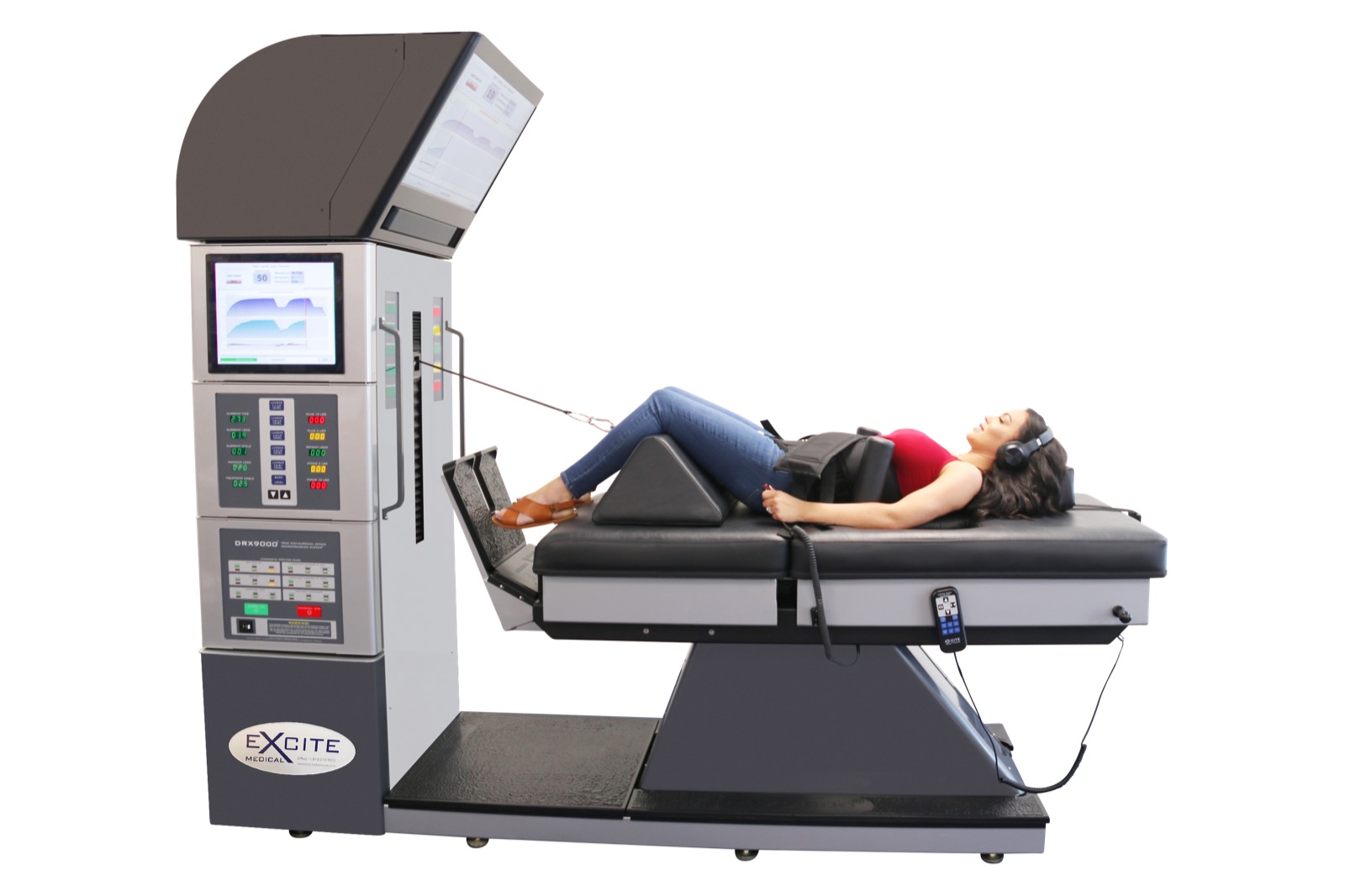
Decompression is generally not appropriate during pregnancy, after spinal fusion or with surgical hardware in the treatment area, or with spinal fracture, tumor, severe osteoporosis, advanced infection or an abdominal aortic aneurysm. Candidacy is always decided at an exam.
Portland only: DRX9000 spinal decompression is performed by Dr. Jerome Craig, D.C., LMT at 2916 NE Broadway, Suite B. Hood River patients can be evaluated by Dr. Alvis and referred when appropriate. Learn about spinal decompression →
Care for herniated disc at ALVIS Chiropractic follows three simple steps, starting with a free consultation. Nothing is decided until the doctor has heard your story and examined you, and there's no obligation to begin care.
These general tips are safe for most people. Stop anything that clearly worsens your symptoms and ask your doctor what's right for you.
2916 NE Broadway, Suite B, Portland, OR 97232
Spinal decompression (DRX9000) and chiropractic care for herniated disc with Dr. Jerome Craig, D.C., LMT.
114 Cascade Ave, Hood River, OR 97031
Chiropractic Adjustments for herniated disc with Dr. Andrew Alvis, D.C., plus referral to our Portland clinic for spinal decompression when appropriate.
Results vary. This page is for education and is not a substitute for a medical evaluation. Healthcare disclaimer.
Many herniated discs improve on their own over weeks to months as inflammation settles and the body reabsorbs some of the displaced material. Conservative care such as chiropractic care, spinal decompression and exercise is designed to support that process and help you stay active while it happens. Severe or worsening nerve symptoms need prompt evaluation.
Yes, chiropractic care may help many people with herniated discs. Your doctor uses gentle techniques chosen to avoid stressing the disc, plus positioning and exercise guidance. At our Portland clinic, care can include DRX9000 spinal decompression with Dr. Craig. Your exam determines whether chiropractic care is appropriate for your specific herniation.
Often yes, when your doctor first examines you and chooses techniques suited to a disc injury. That may mean gentler, instrument-assisted or low-force methods rather than quick twisting movements. If you have severe weakness or signs of nerve compromise, your doctor will refer you for medical evaluation instead of adjusting.
There is no guaranteed shortcut, but staying gently active, avoiding long sitting, and starting appropriate care early may help. Conservative options include chiropractic care, spinal decompression in Portland, and targeted exercises. Your recovery depends on the size and location of the herniation and your overall health, so results vary.
Not always. Many herniated discs can be assessed with a history and physical exam. An MRI is usually recommended if you have red-flag symptoms, significant weakness, or pain that isn't improving, or if surgery or decompression planning requires it. Your doctor will tell you if imaging is needed and can refer you.
No. DRX9000 spinal decompression is offered only at our Portland clinic at 2916 NE Broadway, Suite B. In Hood River, Dr. Alvis treats herniated discs with chiropractic care and refers patients to Dr. Craig in Portland when the exam suggests decompression may help.
Last updated . Educational information, not medical advice; individual results vary. Healthcare disclaimer.