ALVIS Chiropractic – Portland (NE Broadway)
2916 NE Broadway, Suite B, Portland, OR 97232
Spinal decompression (DRX9000) and chiropractic care for spinal stenosis with Dr. Jerome Craig, D.C., LMT.
Spinal stenosis is a narrowing of the spaces in the spine where nerves travel, which can cause back pain and leg pain or heaviness when standing or walking. ALVIS Chiropractic offers conservative care in Portland and Hood River; some cases may be a fit for spinal decompression at our Portland clinic.
Medically reviewed by Dr. Jerome Craig, D.C., LMT · Last reviewed

Spinal stenosis means the spinal canal or the openings where nerve roots exit have become narrower. In the low back (lumbar stenosis), this can squeeze nerves going to the legs. In the neck (cervical stenosis), it can affect nerves to the arms — and, in more serious cases, the spinal cord itself.
Narrowing typically comes from a combination of disc bulging, thickened ligaments and bony overgrowth at the facet joints. Many people have narrowing on imaging with few symptoms.
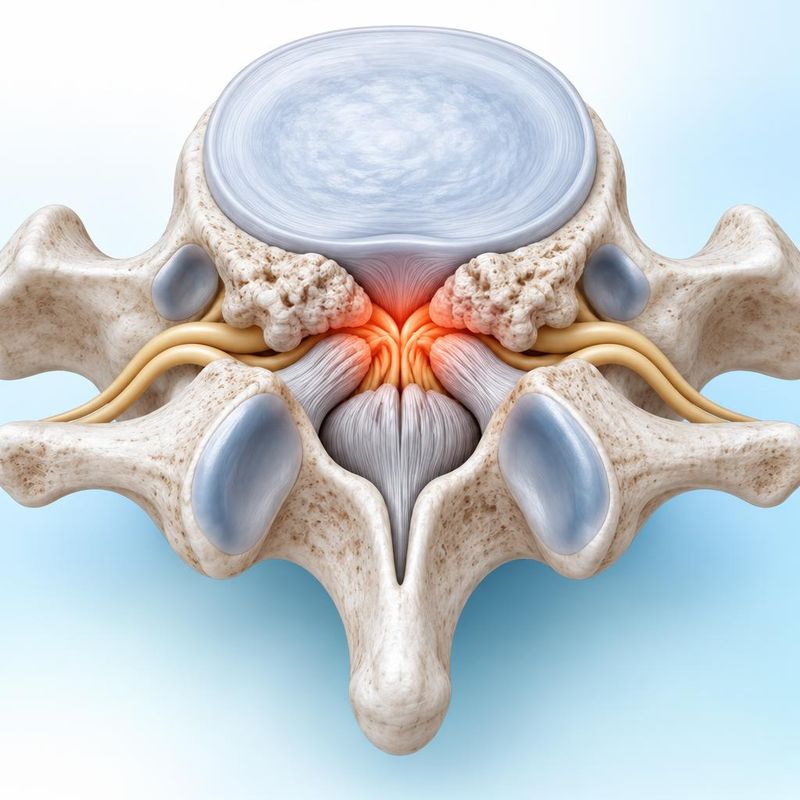
Most stenosis is age-related: discs lose height and bulge, ligaments thicken and facet joints develop bone spurs. Less often it's related to a previous injury, spondylolisthesis or being born with a narrower canal.
Bending forward slightly opens the spinal canal and nerve openings, while standing upright or leaning back narrows them. That's why many people with lumbar stenosis feel better leaning on a shopping cart or sitting, and worse standing in line or walking downhill.
Surgery may be considered when stenosis causes progressive weakness, spinal cord compression, cauda equina symptoms, or severe limitation that doesn't improve with conservative care. If your exam points that way, we'll refer you to an appropriate specialist.
Most spinal stenosis is not an emergency, but some symptoms need immediate medical care. Call 911 or go to the nearest emergency room — rather than booking a chiropractic visit — if you have any of the following:
Conservative care for stenosis focuses on improving how well you can stand and walk. Your doctor may use gentle chiropractic adjustments to improve motion in the low back and hips, flexion-based exercises, and walking strategies that build tolerance gradually.
Some patients with lumbar stenosis may be candidates for DRX9000 spinal decompression with Dr. Craig in Portland. Hood River patients receive chiropractic care with Dr. Alvis and can be referred when appropriate. If your exam suggests significant nerve or spinal cord compression, we'll refer you to a spine specialist.
Services used for spinal stenosis:
Fit is more selective for stenosis than for disc herniations. Decompression may help some mild to moderate cases, especially when disc bulging contributes to the narrowing. It is generally not appropriate for severe stenosis, stenosis with spinal cord signs or cauda equina symptoms, or after spinal fusion. Dr. Craig will tell you honestly whether you're a candidate.
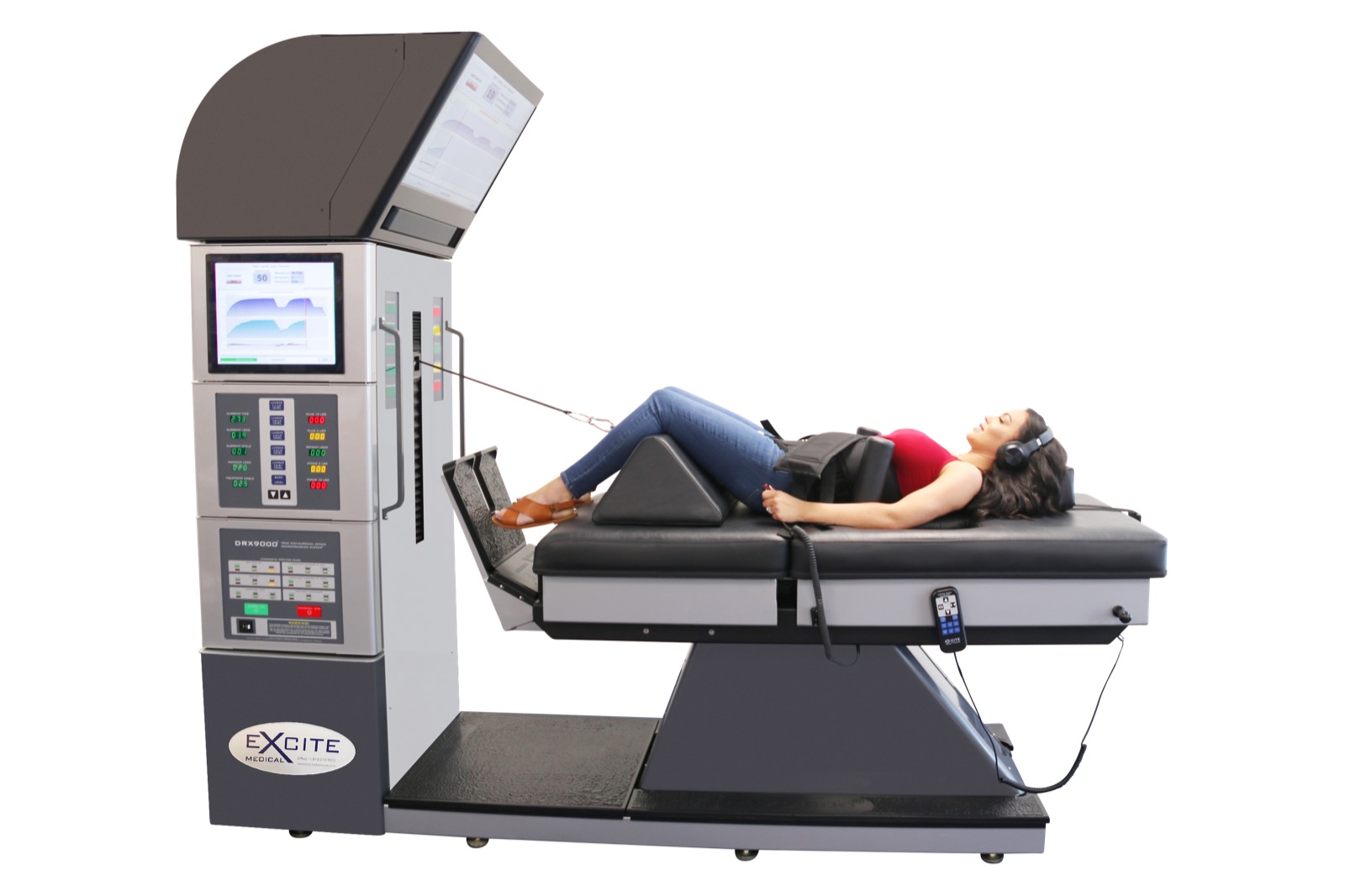
Decompression is generally not appropriate during pregnancy, after spinal fusion or with surgical hardware in the treatment area, or with spinal fracture, tumor, severe osteoporosis, advanced infection or an abdominal aortic aneurysm. Candidacy is always decided at an exam.
Portland only: DRX9000 spinal decompression is performed by Dr. Jerome Craig, D.C., LMT at 2916 NE Broadway, Suite B. Hood River patients can be evaluated by Dr. Alvis and referred when appropriate. Learn about spinal decompression →
Care for spinal stenosis at ALVIS Chiropractic follows three simple steps, starting with a free consultation. Nothing is decided until the doctor has heard your story and examined you, and there's no obligation to begin care.
These general tips are safe for most people. Stop anything that clearly worsens your symptoms and ask your doctor what's right for you.
2916 NE Broadway, Suite B, Portland, OR 97232
Spinal decompression (DRX9000) and chiropractic care for spinal stenosis with Dr. Jerome Craig, D.C., LMT.
114 Cascade Ave, Hood River, OR 97031
Chiropractic Adjustments for spinal stenosis with Dr. Andrew Alvis, D.C., plus referral to our Portland clinic for spinal decompression when appropriate.
Results vary. This page is for education and is not a substitute for a medical evaluation. Healthcare disclaimer.
Neurogenic claudication is leg pain, heaviness, cramping or weakness caused by compressed nerves in the lower spine, typically brought on by standing or walking and relieved by sitting or bending forward. It's a hallmark symptom of lumbar spinal stenosis and is different from circulation-related leg pain.
Chiropractic care may help some people with mild to moderate stenosis improve mobility and walking tolerance through gentle adjustments, flexion-based exercises and activity guidance. It doesn't widen the spinal canal. Severe stenosis or spinal cord signs need referral to a spine specialist.
It depends on the type and severity. Some mild to moderate lumbar stenosis cases may be a fit, especially when disc bulging contributes. Severe stenosis, spinal cord compression, cauda equina symptoms or prior fusion usually rule it out. Dr. Craig evaluates fit at our Portland clinic.
Activities that keep you upright and arched backward for long periods — standing in place, walking downhill, overhead work — often aggravate stenosis. You don't need to stop moving; cycling and walking in intervals are often well tolerated. Your doctor can suggest modifications for your situation.
No. Many people with mild to moderate stenosis manage well with conservative care, exercise and activity changes. Surgery is generally reserved for severe or progressive symptoms, spinal cord compression or when conservative care hasn't helped enough. We'll refer you if surgery may be worth discussing.
Last updated . Educational information, not medical advice; individual results vary. Healthcare disclaimer.