ALVIS Chiropractic – Portland (NE Broadway)
2916 NE Broadway, Suite B, Portland, OR 97232
Spinal decompression (DRX9000) and chiropractic care for low back pain with Dr. Jerome Craig, D.C., LMT.
Low back pain is pain or stiffness between the bottom of the ribs and the buttocks, and it's one of the most common reasons people see a doctor. ALVIS Chiropractic treats acute and chronic low back pain with chiropractic care in Portland and Hood River, plus DRX9000 spinal decompression in Portland for disc-related pain.
Medically reviewed by Dr. Jerome Craig, D.C., LMT · Last reviewed

Low back pain covers a wide range of problems, from a stiff, achy back after yard work to sharp pain that makes it hard to stand up straight. Most cases are "mechanical," meaning they come from the joints, muscles, ligaments or discs of the lumbar spine rather than from a serious disease.
Doctors usually group back pain by duration. Acute pain lasts less than about six weeks, subacute up to three months, and chronic pain lasts three months or longer. Care is tailored to which stage you're in and what's driving the pain.
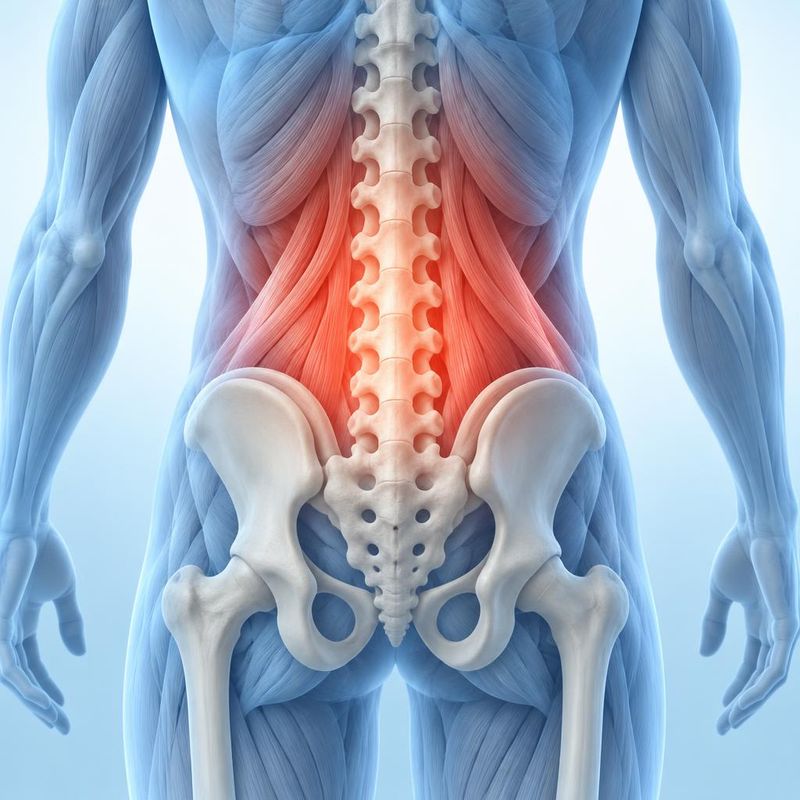
Common causes include strained muscles and ligaments, irritated facet joints, sacroiliac (SI) joint dysfunction, and disc problems such as bulges and herniations. Risk factors include sedentary work, heavy or awkward lifting, weak core and hip muscles, previous back injuries, stress and poor sleep.
Acute low back pain usually starts suddenly, often after lifting or an awkward movement, and many cases improve within a few weeks. Chronic low back pain persists beyond three months and often involves a mix of physical factors, deconditioning, sleep and stress. Chronic pain benefits from a structured plan that builds strength and confidence in movement.
For most new back pain without red flags, imaging isn't needed right away, because results rarely change early care and can show age-related changes that aren't causing pain. Imaging may be recommended if you have red-flag symptoms, significant nerve signs, a history of trauma, or pain that isn't improving. Your doctor will refer you for imaging when it's needed.
Most low back pain is not an emergency, but some symptoms need immediate medical care. Call 911 or go to the nearest emergency room — rather than booking a chiropractic visit — if you have any of the following:
Your doctor starts by finding out what type of back pain you have and what aggravates it. Care typically includes gentle chiropractic adjustments to restore motion in the lumbar spine and pelvis, guidance on movement and posture, and a simple home exercise plan. StemWave may be added for muscle and soft-tissue pain.
When disc problems are driving the pain, Dr. Craig may include DRX9000 spinal decompression at our Portland clinic. In Hood River, Dr. Alvis treats low back pain with chiropractic care and can refer to Portland when decompression may help.
Services used for low back pain:
Decompression may be appropriate when low back pain is linked to a herniated or bulging disc, degenerative disc changes or facet-related pain that hasn't improved with other care. Simple muscle strains usually don't need it.
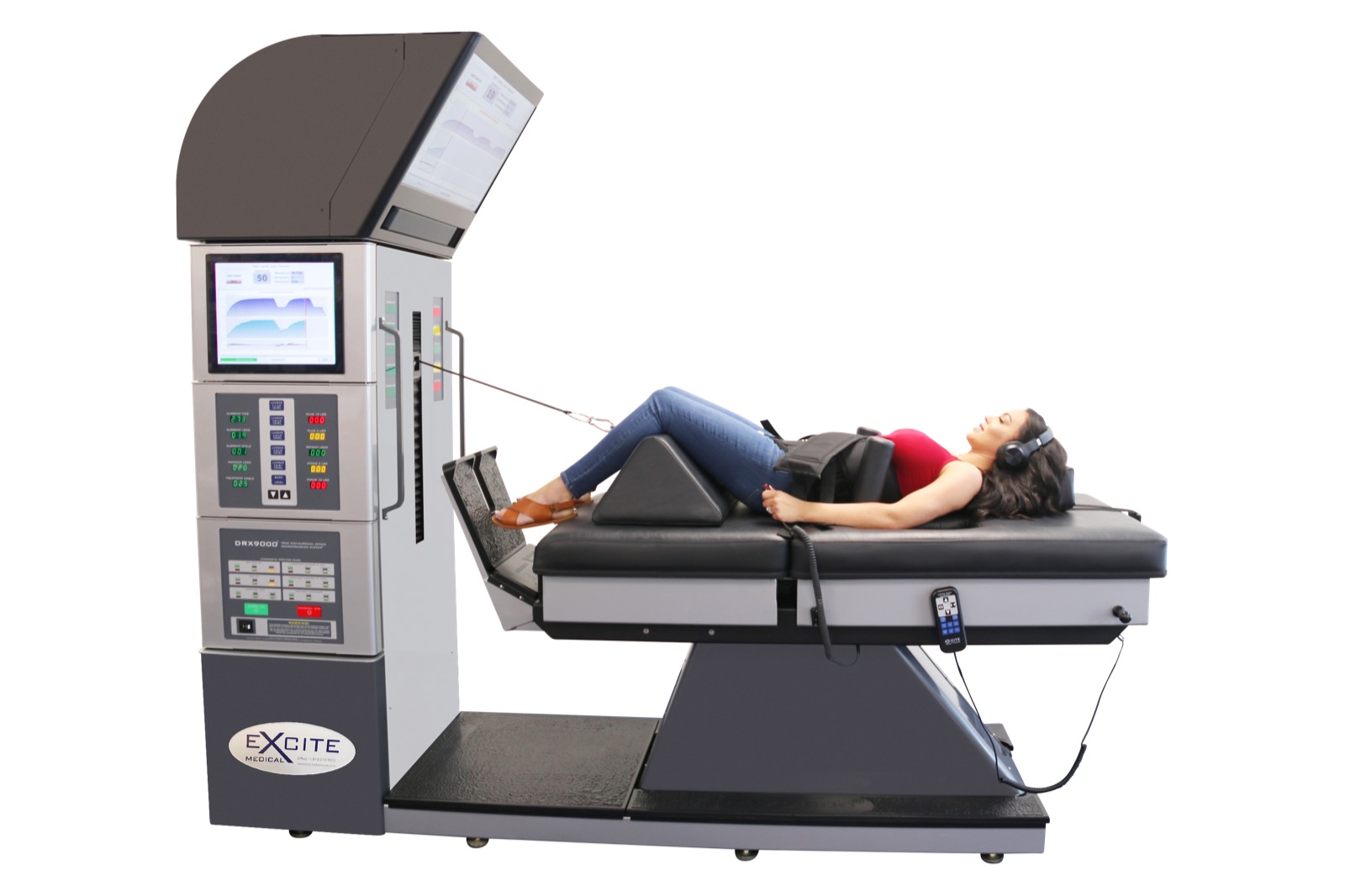
Decompression is generally not appropriate during pregnancy, after spinal fusion or with surgical hardware in the treatment area, or with spinal fracture, tumor, severe osteoporosis, advanced infection or an abdominal aortic aneurysm. Candidacy is always decided at an exam.
Portland only: DRX9000 spinal decompression is performed by Dr. Jerome Craig, D.C., LMT at 2916 NE Broadway, Suite B. Hood River patients can be evaluated by Dr. Alvis and referred when appropriate. Learn about spinal decompression →
Care for low back pain at ALVIS Chiropractic follows three simple steps, starting with a free consultation. Nothing is decided until the doctor has heard your story and examined you, and there's no obligation to begin care.
These general tips are safe for most people. Stop anything that clearly worsens your symptoms and ask your doctor what's right for you.
2916 NE Broadway, Suite B, Portland, OR 97232
Spinal decompression (DRX9000) and chiropractic care for low back pain with Dr. Jerome Craig, D.C., LMT.
114 Cascade Ave, Hood River, OR 97031
Chiropractic Adjustments, StemWave for low back pain with Dr. Andrew Alvis, D.C., plus referral to our Portland clinic for spinal decompression when appropriate.
Gentle, precise spinal and joint adjustments that may help reduce pain and improve mobility.
Non-surgical DRX9000 spinal decompression designed to relieve pressure on discs and nerves. Portland clinic only.
Non-invasive Cellular Response Technology used alongside chiropractic care for pain and recovery.
“I had ongoing lower back issues, for over a year, and was skeptical to try a chiropractor. My back pain was impacting my sleep, so I was willing to give it a try. I started feeling better after the first week, and am amazed at how good I feel. My husband got a shoulder injury and had on and off lower back pain, and has been feeling so much better, too. Great staff and overall good vibes. Easy to get in for appointments. I highly recommend!”
“Alvis Chiropractic has been amazing. Dr. Alvis is great to work with and will help you understand the source of your problems and plan the best solutions for you. They are all very professional, patient and make you feel welcome. As a 6'4 male with back pain this is the first chiropractor that has actually made a big difference and given me a better quality of life. Thank you!!!”
Results vary. This page is for education and is not a substitute for a medical evaluation. Healthcare disclaimer.
Most low back pain is mechanical, coming from strained muscles and ligaments, irritated facet or sacroiliac joints, or disc problems. Often more than one factor is involved. Serious causes like infection, fracture or cancer are uncommon, which is why doctors screen for red flags during the exam.
Yes, chiropractic care is a common, conservative option for low back pain. Your doctor uses gentle adjustments, movement guidance and exercises tailored to your exam. At our Portland clinic, disc-related back pain may also be treated with DRX9000 spinal decompression. Results vary from person to person.
Many episodes of acute low back pain improve significantly within a few weeks. Some people have recurring flare-ups, while some people go on to develop chronic pain lasting beyond three months. Staying active and addressing contributing factors early may help reduce the chance of ongoing pain.
In most cases, staying gently active is better than bed rest. Walking and normal daily activity, modified to your comfort, usually help recovery. Avoid heavy lifting and movements that sharply increase pain for a few days. Seek prompt care if you have red-flag symptoms.
See a doctor if back pain is severe, lasts more than a week or two, keeps coming back, or spreads down a leg with numbness or weakness. Go to the ER for loss of bladder or bowel control, saddle numbness, fever with back pain or pain after major trauma.
Either can help, and the best choice is often whichever feels better to you. Many people prefer ice in the first day or two after a strain and heat later for stiffness. Use either for 15–20 minutes with a barrier between the pack and your skin.
Last updated . Educational information, not medical advice; individual results vary. Healthcare disclaimer.