ALVIS Chiropractic – Portland (NE Broadway)
2916 NE Broadway, Suite B, Portland, OR 97232
Chiropractic Adjustments, StemWave for hip pain with Dr. Jerome Craig, D.C., LMT.
Hip pain can come from the hip joint, the sacroiliac (SI) joint, irritated tendons and bursae on the side of the hip, or tight muscles like the piriformis. ALVIS Chiropractic treats hip pain with chiropractic care and StemWave at our Portland and Hood River clinics.
Medically reviewed by Dr. Andrew Alvis, D.C. · Last reviewed

"Hip pain" can mean pain in the groin (often the hip joint itself), on the outer hip (often tendons and bursa), or in the buttock (often the SI joint, piriformis or low back). Finding which one guides care.
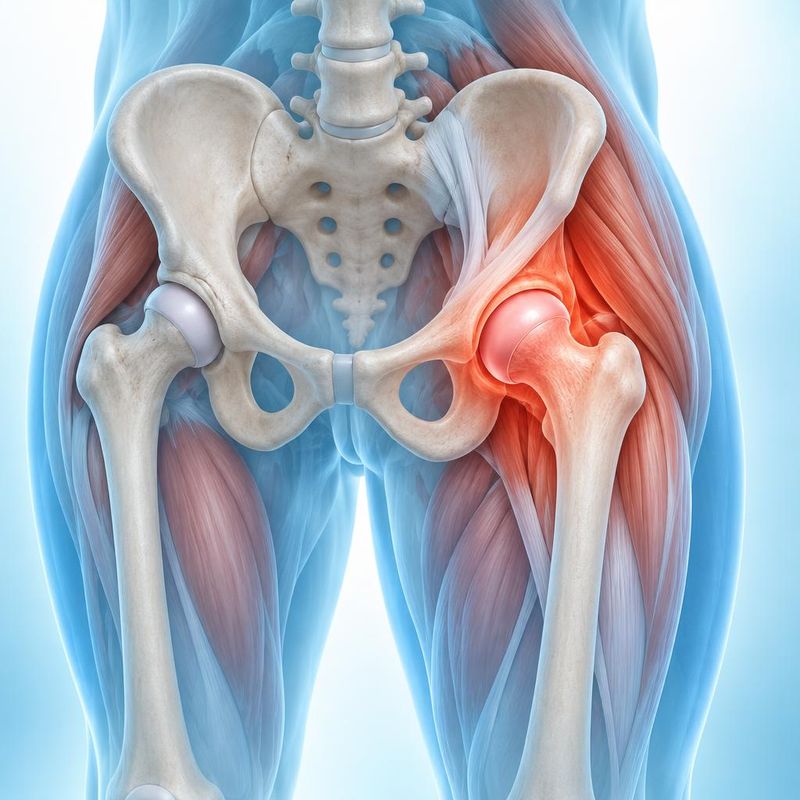
Causes include SI joint dysfunction, gluteal tendon irritation and bursitis-type pain, piriformis tightness, hip osteoarthritis, running and overuse, and pregnancy-related pelvic changes.
Most hip pain is not an emergency, but some symptoms need immediate medical care. Call 911 or go to the nearest emergency room — rather than booking a chiropractic visit — if you have any of the following:
Your doctor tests the hip, SI joint and low back to locate the source. Care may include adjustments to the pelvis, hip and lumbar spine, StemWave for tendon and muscle pain, and strengthening for the hip muscles.
Services used for hip pain:
Care for hip pain at ALVIS Chiropractic follows three simple steps, starting with a free consultation. Nothing is decided until the doctor has heard your story and examined you, and there's no obligation to begin care.
These general tips are safe for most people. Stop anything that clearly worsens your symptoms and ask your doctor what's right for you.
2916 NE Broadway, Suite B, Portland, OR 97232
Chiropractic Adjustments, StemWave for hip pain with Dr. Jerome Craig, D.C., LMT.
114 Cascade Ave, Hood River, OR 97031
Chiropractic Adjustments, StemWave for hip pain with Dr. Andrew Alvis, D.C..
Results vary. This page is for education and is not a substitute for a medical evaluation. Healthcare disclaimer.
Yes, chiropractic care may help many types of hip pain, especially those involving the SI joint, low back and surrounding muscles. Care may include adjustments, StemWave and strengthening. Advanced hip arthritis or fractures need medical evaluation.
The sacroiliac (SI) joints connect your pelvis to the base of your spine. When irritated, they can cause pain in the low back, buttock and sometimes upper thigh, often worse with standing, stairs or rolling in bed.
Pain on the outer hip is often called bursitis but frequently involves the gluteal tendons as well. It's typically worse lying on that side and climbing stairs. An exam helps distinguish it from hip joint or low back sources.
Piriformis syndrome is buttock pain, sometimes radiating down the leg, thought to involve the piriformis muscle irritating the sciatic nerve. It can mimic disc-related sciatica, so an exam is important to identify the source.
Seek emergency care if you can't bear weight after a fall, if the hip is hot, red and swollen with fever, or if pain is sudden and severe with no clear cause. These need urgent medical evaluation.
Last updated . Educational information, not medical advice; individual results vary. Healthcare disclaimer.